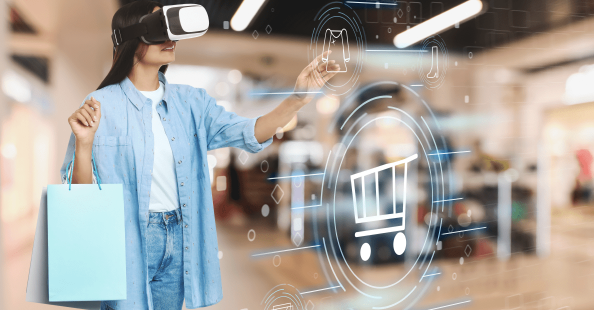
The future of retail technology hinges on the integration of artificial intelligence, augmented reality, and advanced payment solutions. These innovations promise to redefine customer interactions and streamline operations. As retailers explore personalized experiences and efficient inventory management, the implications for consumer behavior and market dynamics become increasingly significant. This evolving landscape raises essential questions about sustainability and competitive differentiation in an industry undergoing rapid transformation. What strategies will emerge as critical for success?
The Role of Artificial Intelligence in Retail Transformation
As retail environments increasingly embrace technological advancements, artificial intelligence (AI) emerges as a pivotal force driving transformation across the sector.
AI enhances personalization strategies, enabling retailers to tailor offerings to individual customer preferences, thereby increasing engagement.
Furthermore, AI optimizes inventory management by predicting demand patterns, reducing waste, and ensuring efficient stock levels.
This dual impact solidifies AI’s essential role in modern retail operations.
Enhancing Customer Experience With Augmented Reality
While traditional retail experiences often rely on physical interactions, the integration of augmented reality (AR) is revolutionizing how customers engage with products and brands.
AR facilitates virtual fitting rooms, allowing consumers to visualize products before purchase. Moreover, interactive displays enhance in-store experiences, fostering deeper connections between customers and merchandise.
This technological advancement not only personalizes shopping but also empowers consumers with informed decision-making capabilities.
The Shift Towards Seamless Payment Solutions
The integration of augmented reality in retail has set the stage for further advancements in customer interactions, particularly in payment solutions.
The shift towards seamless payment methods emphasizes contactless transactions and the proliferation of mobile wallets, offering consumers unprecedented convenience.
This evolution not only enhances user experience but also aligns with a growing demand for efficient, secure, and autonomous payment processes in modern retail environments.
See also: techsslashcom
Adapting to E-Commerce Trends and Consumer Behavior
How can retailers effectively adapt to the rapid evolution of e-commerce trends and shifting consumer behavior?
By leveraging personalized marketing strategies and implementing supply chain optimization, retailers can enhance customer experiences and meet evolving demands.
Analyzing consumer data enables targeted promotions, while streamlined logistics ensure timely delivery, fostering consumer trust.
Embracing these innovations is crucial for retailers aiming to thrive in a dynamic marketplace.
Conclusion
As retail technology evolves, embracing artificial intelligence will drive personalization and efficiency; leveraging augmented reality will enrich customer engagement and interaction; and adopting seamless payment solutions will enhance convenience and security. These advancements are not merely trends but essential adaptations to the changing landscape of consumer behavior. To thrive in this dynamic marketplace, retailers must prioritize innovation, invest in cutting-edge technologies, and remain agile in meeting the ever-evolving expectations of their customers.